The designers shaping next season are not, for the most part, the names on the biggest billboards. They work from small studios, show to small rooms or not at all, and release collections when they are ready rather than when the calendar says so. What they share is less an aesthetic than a way of working.
Smaller runs, longer lives
Many emerging studios now produce in deliberately limited quantities — sometimes made to order, sometimes in numbered runs. The model is partly necessity: young brands cannot afford unsold stock. But it has become a selling point. Customers who buy into a small label increasingly want to know where a garment was made, by whom, and how many others exist.
Direct, but not anonymous
The direct-to-consumer playbook of the last decade promised to cut out the middleman and mostly produced interchangeable brands with identical websites. The newer generation uses the same channels differently. Their newsletters read like studio diaries. Their stockists are a handful of carefully chosen shops. The relationship is closer to a gallery and its collectors than a retailer and its customers.
A collection should be finished when it's right, not when it's February.
Volume and colour
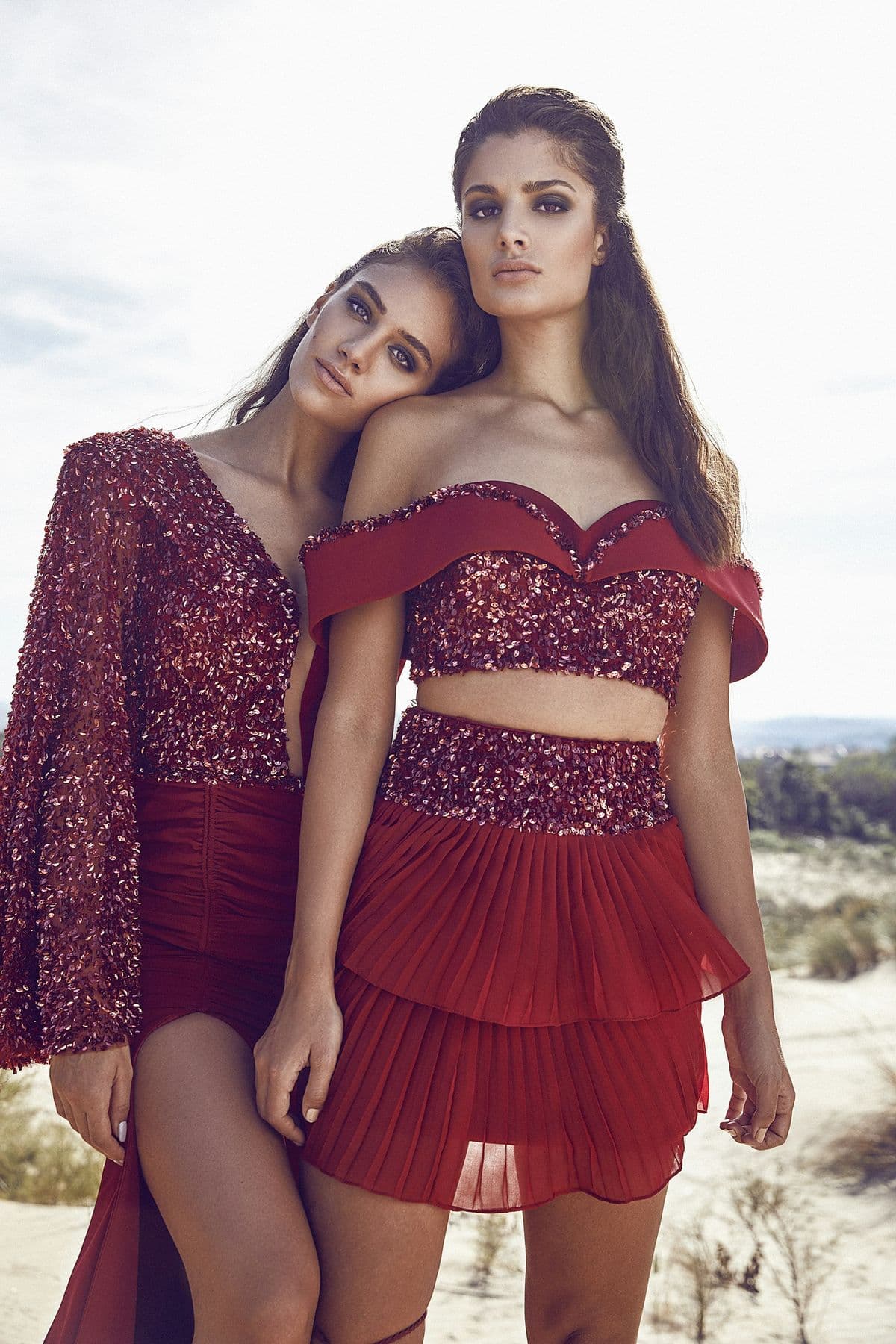
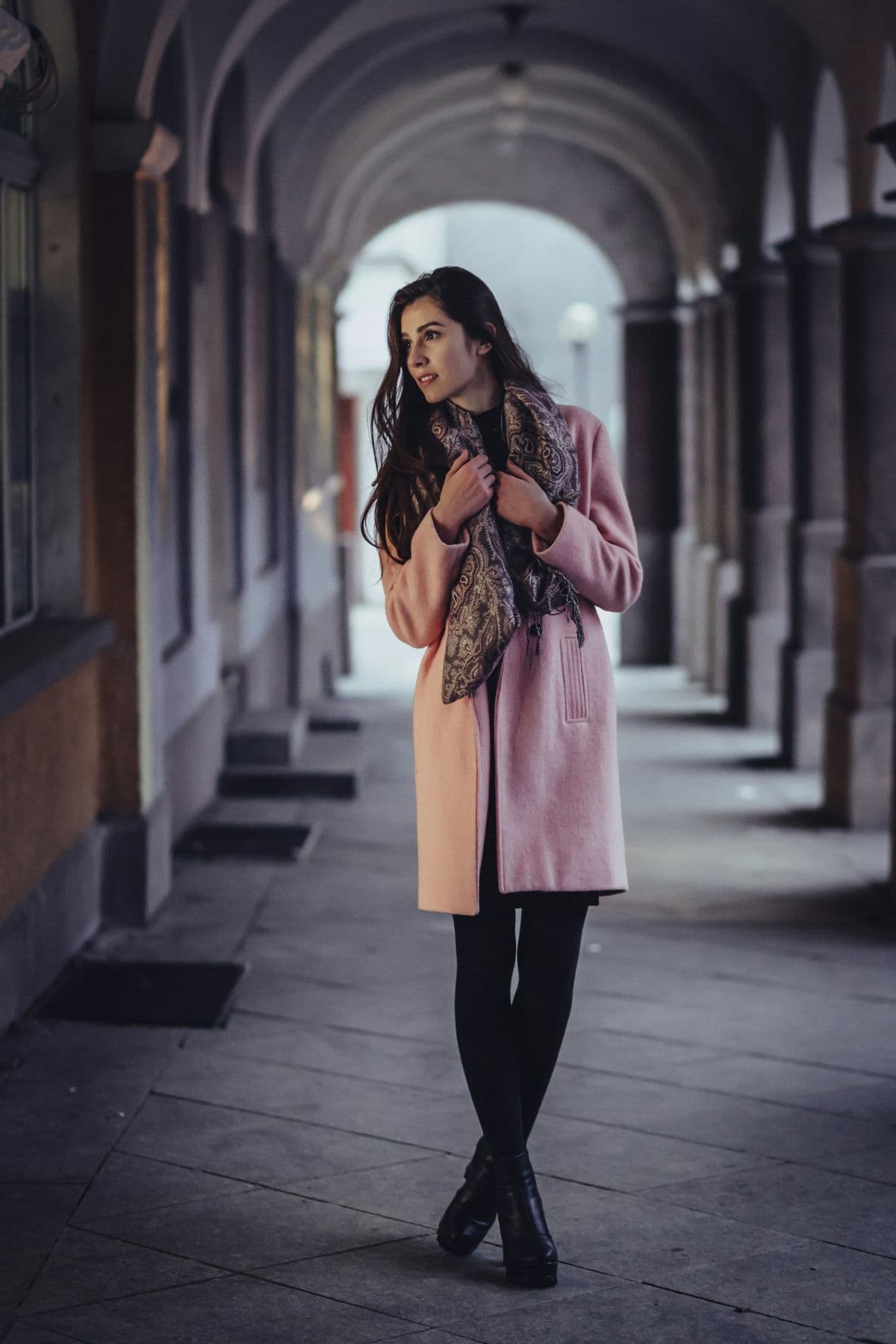
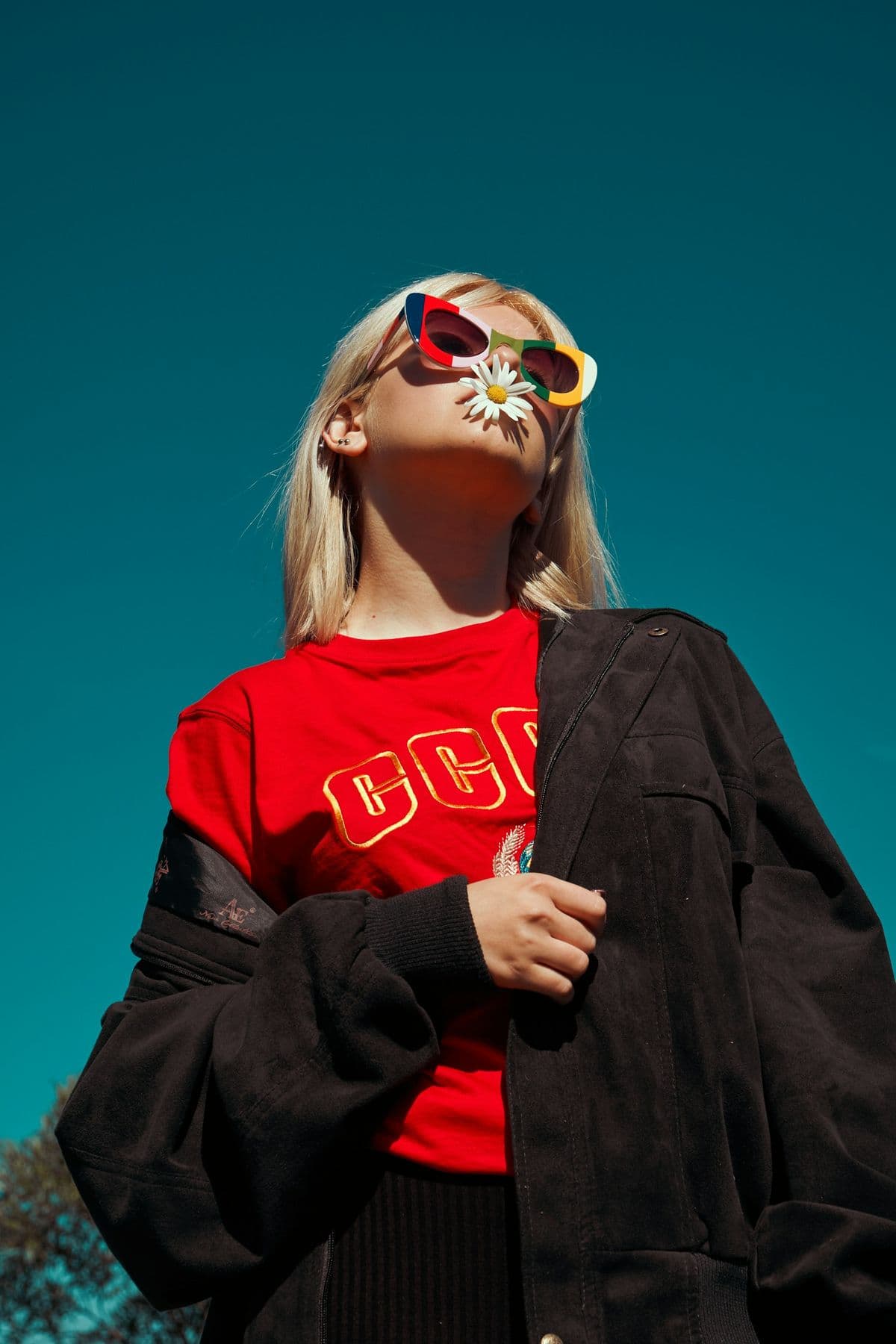
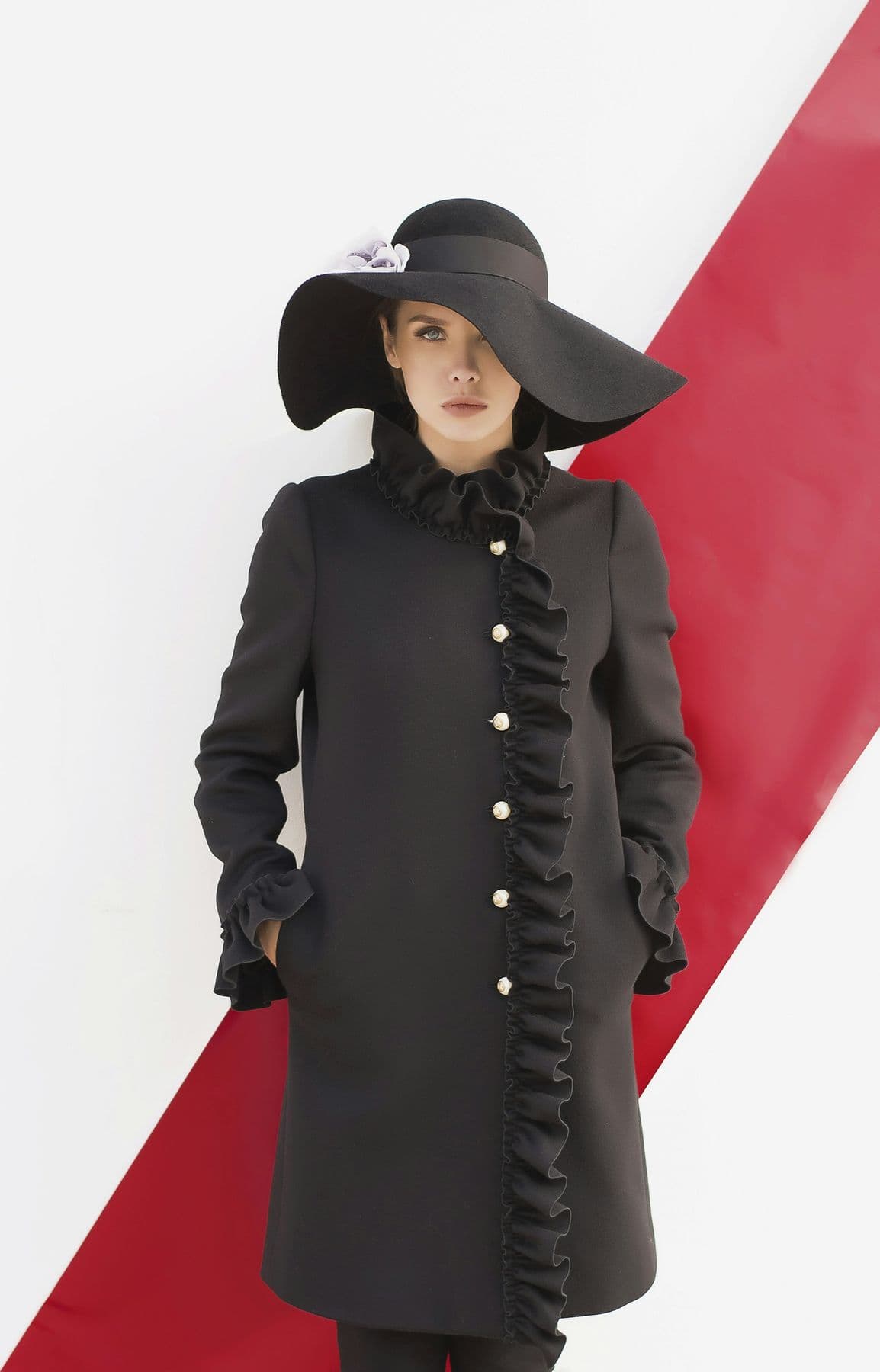
Aesthetically, the strongest emerging collections this season are bolder than the quiet-luxury mainstream. Expect saturated reds, oversized outerwear and graphic contrasts — clothes that are confident about being seen. It is a useful corrective to an industry that has spent several seasons whispering.
How we cover new designers
At VERSOLLY, we write about emerging designers because their work is interesting, not because they pay to be featured. We never accept payment for inclusion in these stories; if a brand relationship ever influences a feature, it will be labelled clearly. Read more in our editorial policy.