For most of the last decade, getting dressed meant choosing a side. There was the uniform of comfort — the hoodie, the legging, the sneaker with the oversized sole — and there was the uniform of occasion, which most people saved for weddings and job interviews. The interesting thing about this autumn is that the two sides have stopped arguing.
Walk through any city in October and you will see it: a wool coat worn over a track top, a pleated trouser with a court sneaker, a silk shirt left untucked beneath a cardigan. None of these combinations is new. What is new is that nobody seems to think of them as combinations at all. They are just clothes.
The end of the dress code
Dress codes did not disappear overnight; they eroded. Offices went hybrid, restaurants dropped their jacket rules, and a generation that grew up curating its image online started treating outfits less as signals of status and more as signals of taste. The result is a wardrobe that is less hierarchical. A blazer is no longer “smart”. It is simply a jacket with a sharper shoulder.
We stopped asking whether something was formal and started asking whether it felt like us. That is a much harder question.
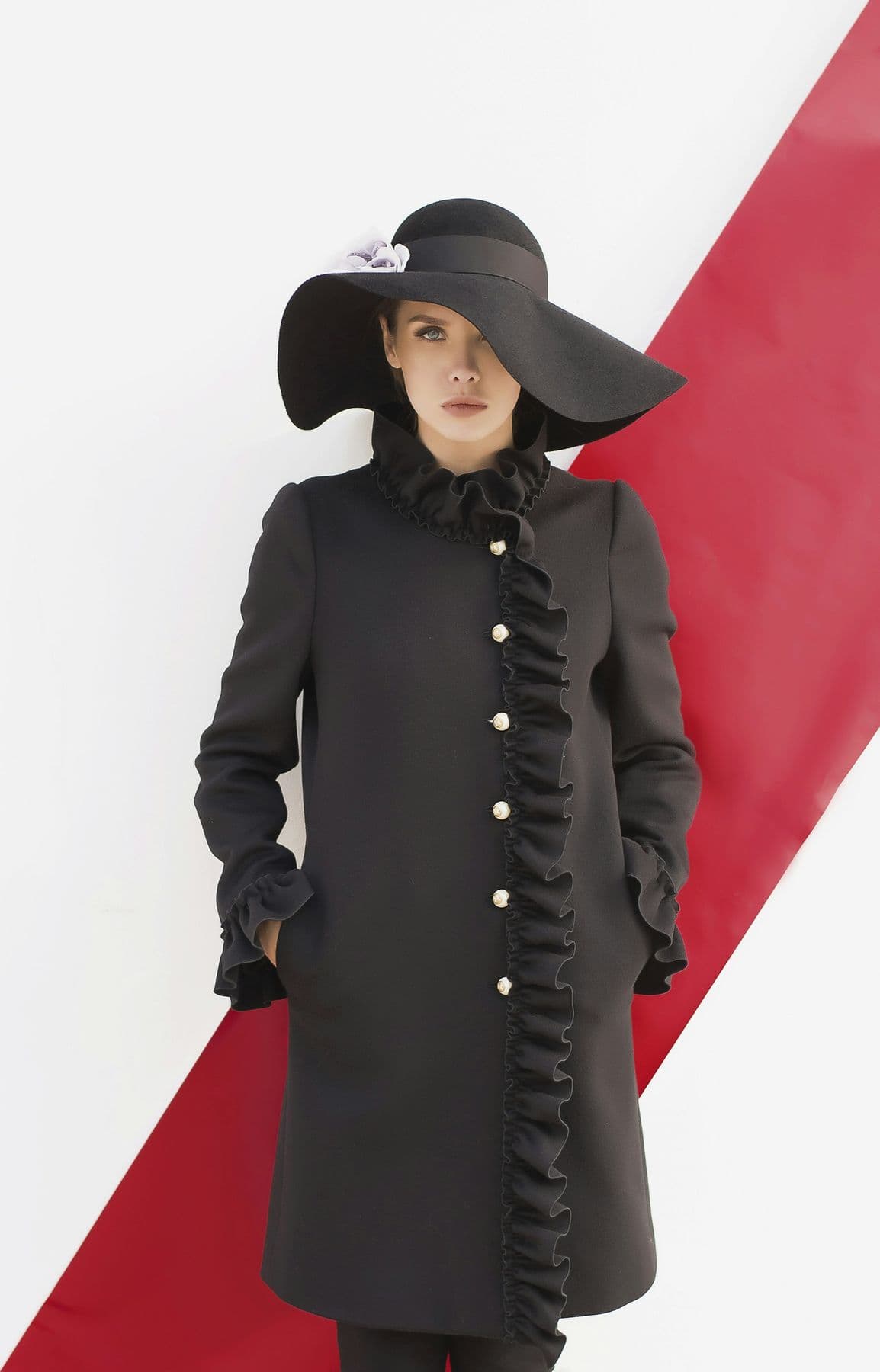
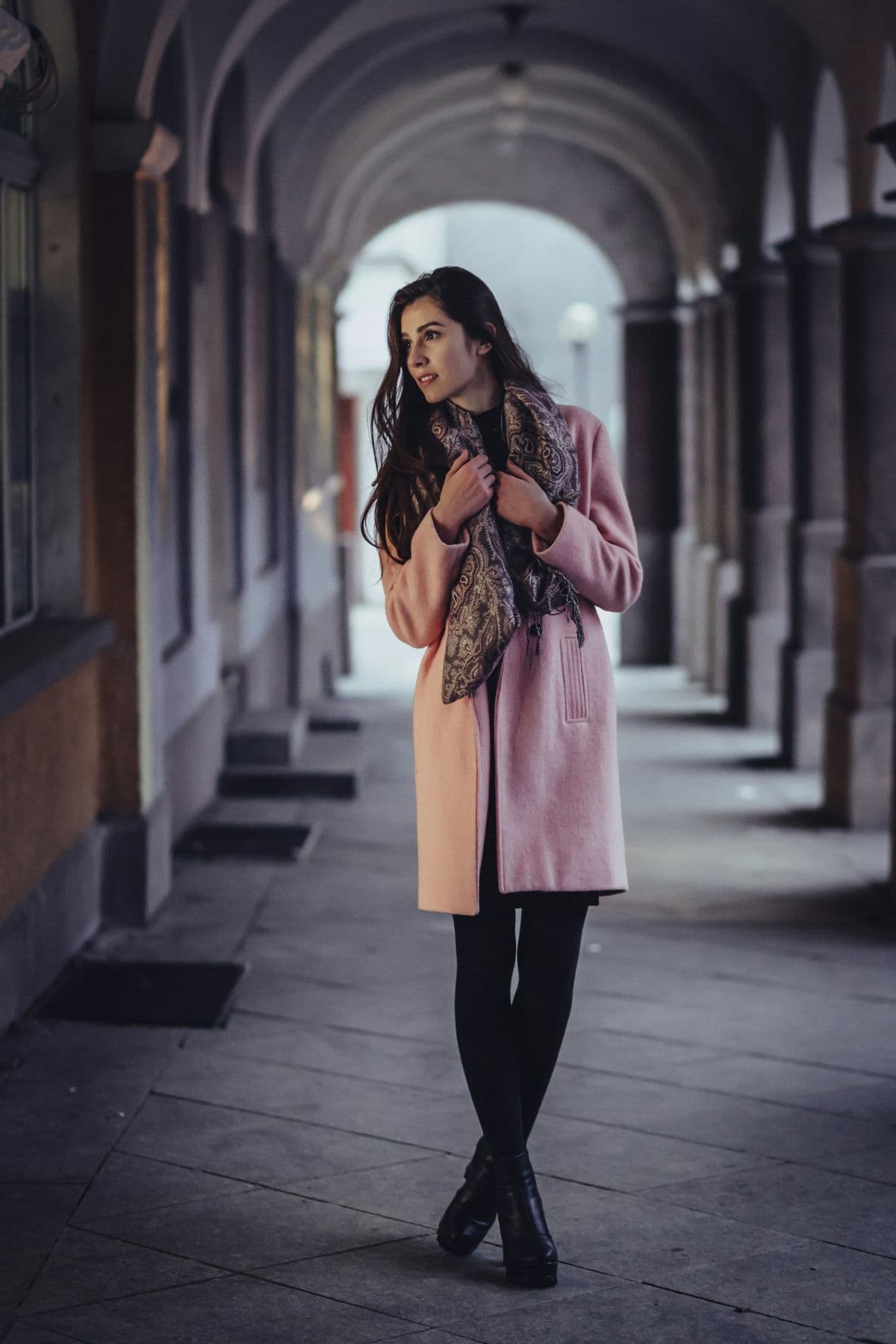
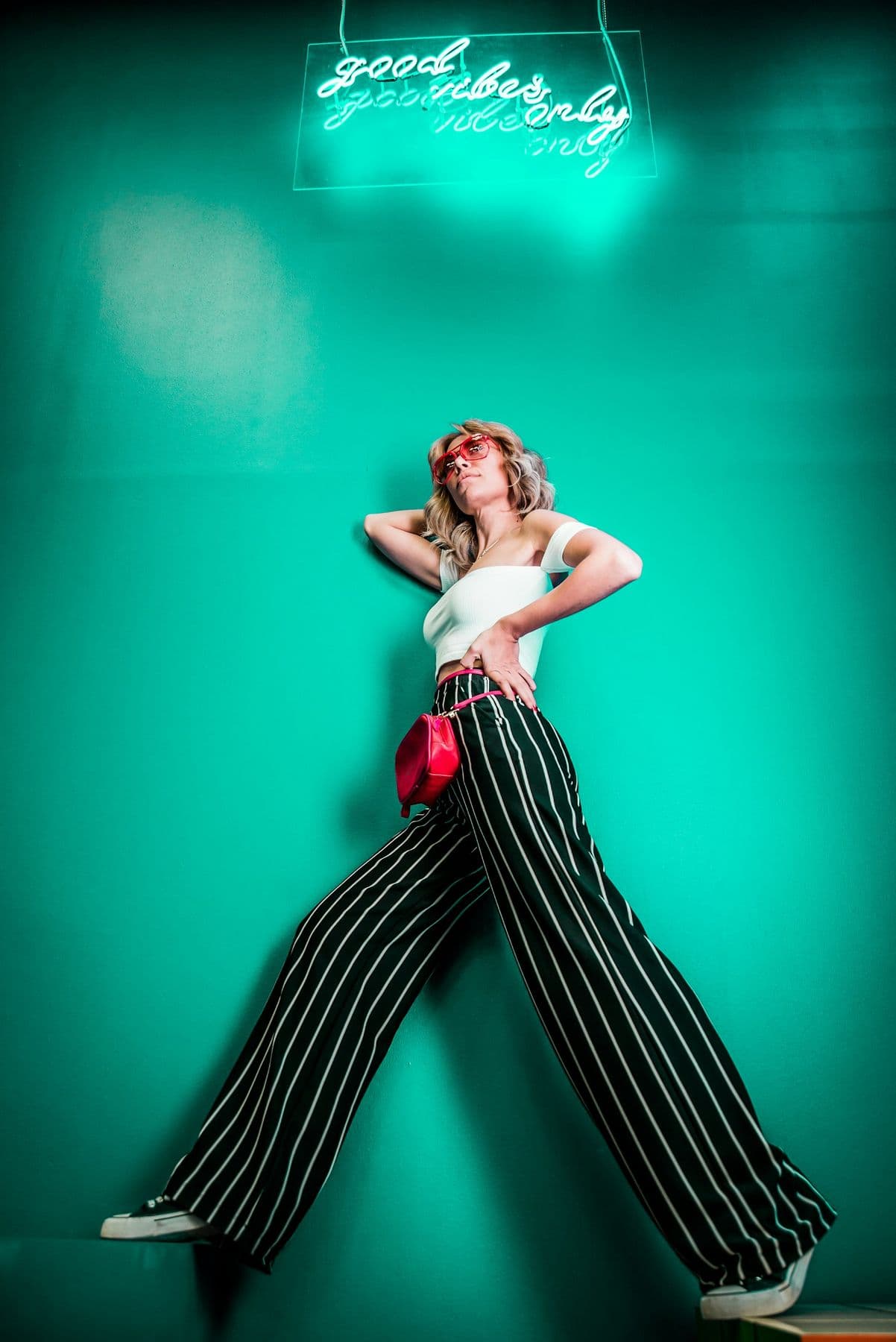
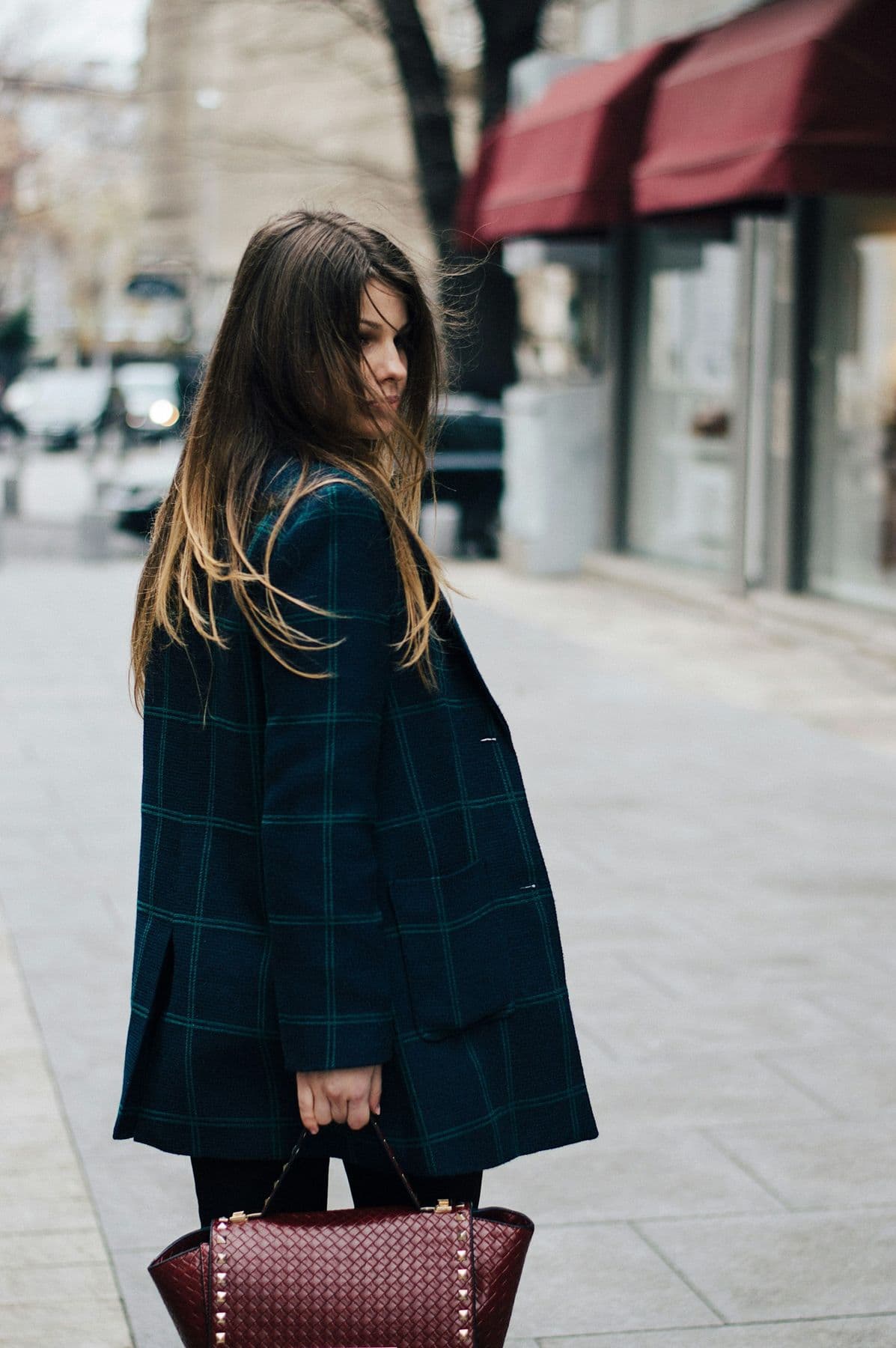
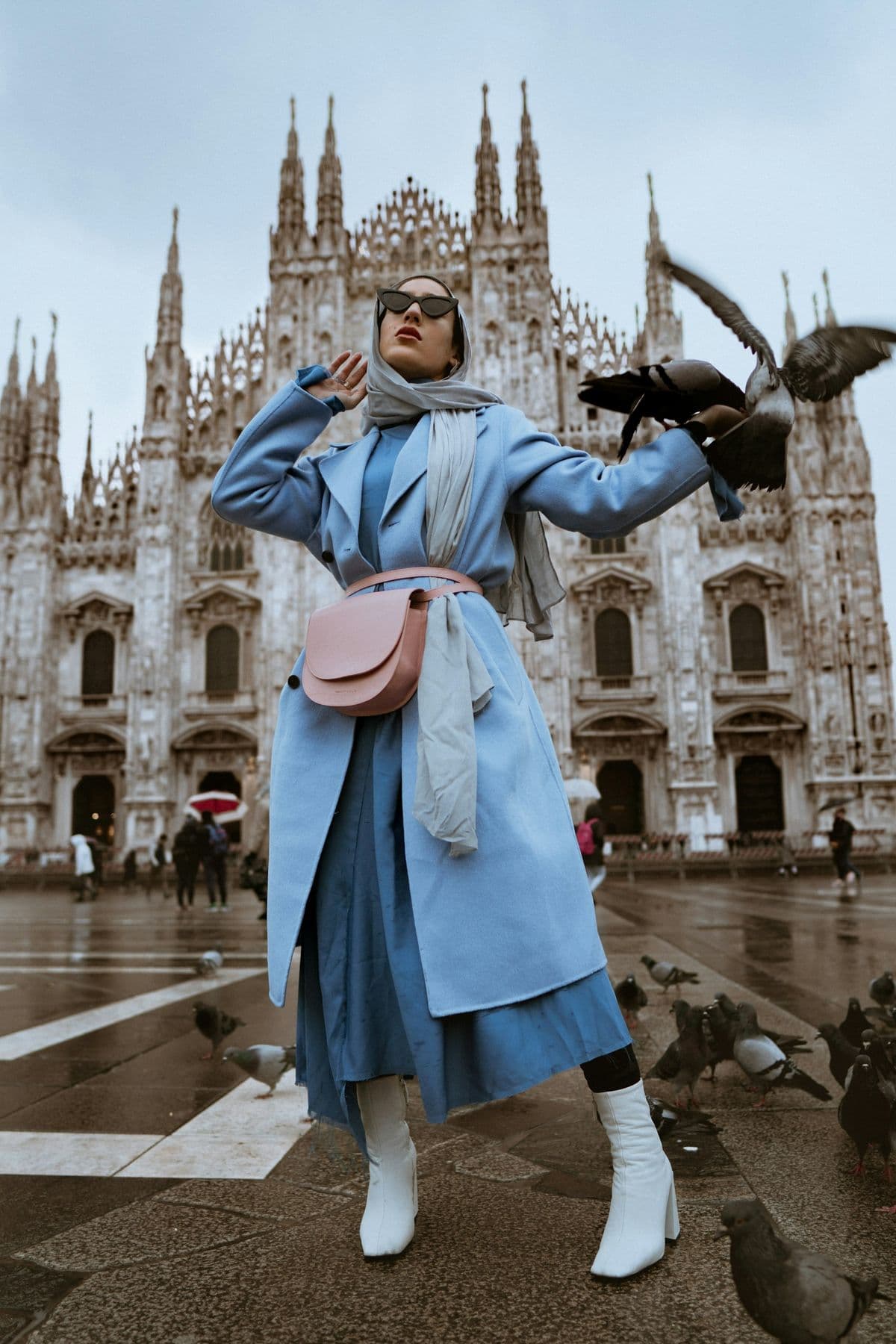
That shift is visible in how designers are cutting. Shoulders have softened. Trousers have widened and dropped at the waist. Coats have grown longer and lighter, made to be worn open rather than buttoned against the weather. The silhouette that keeps appearing on the runway this season is long, fluid and slightly undone — clothes that look considered without looking effortful.
Proportion is the new formality
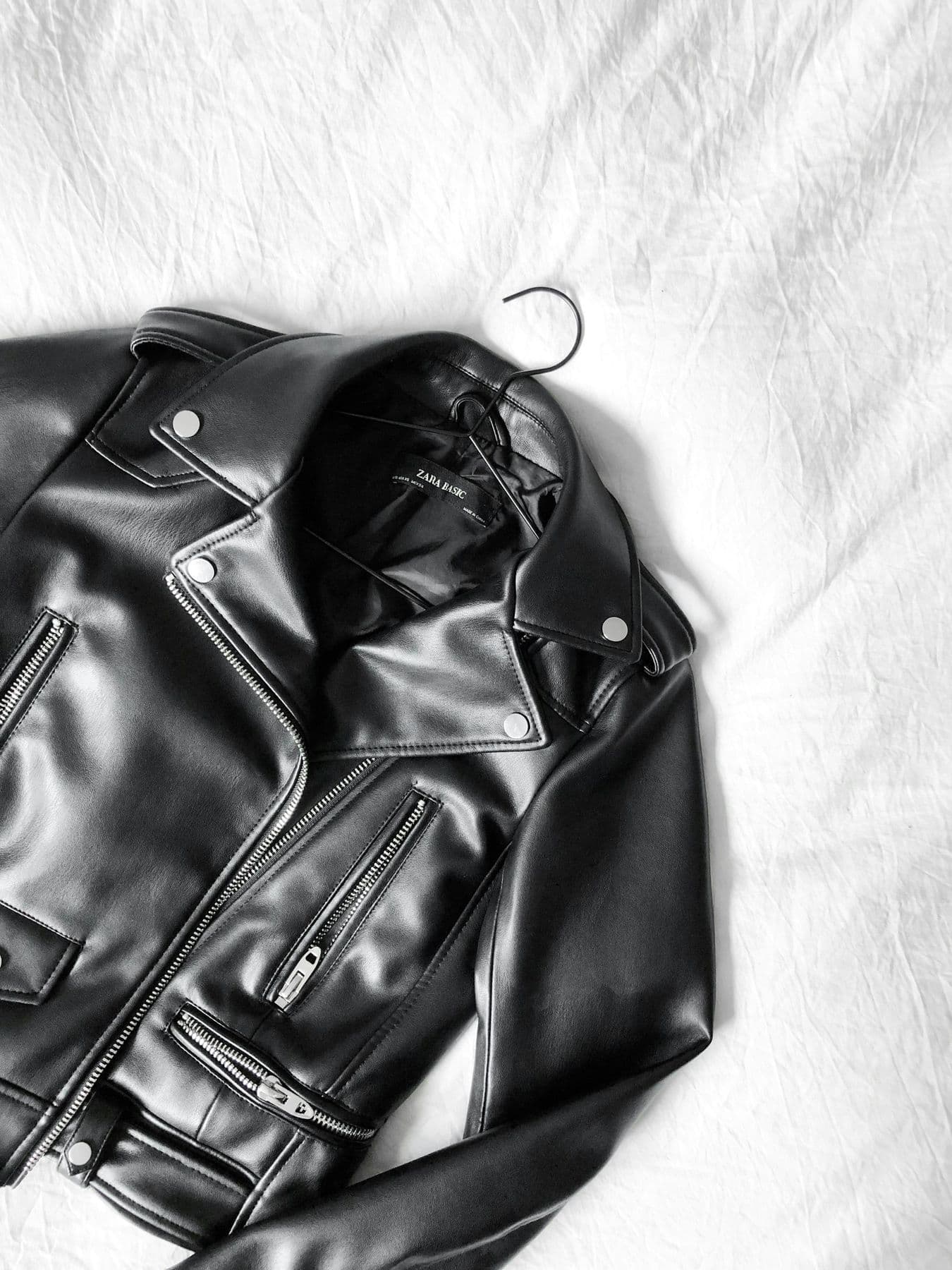
If there is a rule in the new everyday wardrobe, it is about proportion rather than occasion. A wide trouser wants a shorter or closer top. A long coat wants a simple shoe. A cropped leather jacket can sit over a slip dress or a heavy sweatshirt, and both work because the eye has somewhere to rest.
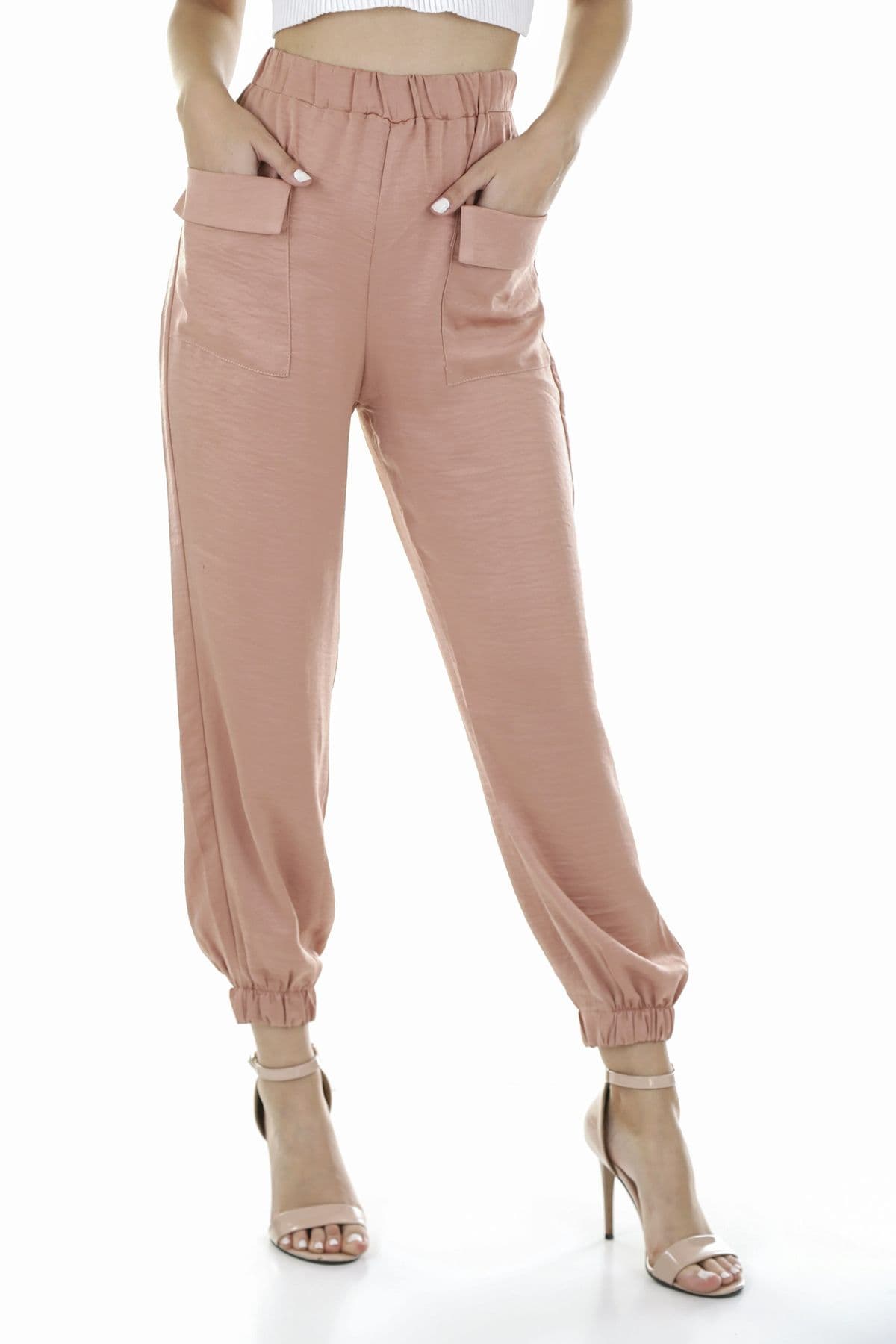
This is why the most useful pieces this season are not statement items but structural ones: a biker jacket cut slightly boxy, a trouser with real drape, a sneaker without a logo. They are the grammar of a look rather than its vocabulary.
Shop the story
We may earn a commission from qualifying purchases. This does not influence our editorial coverage. How we make money
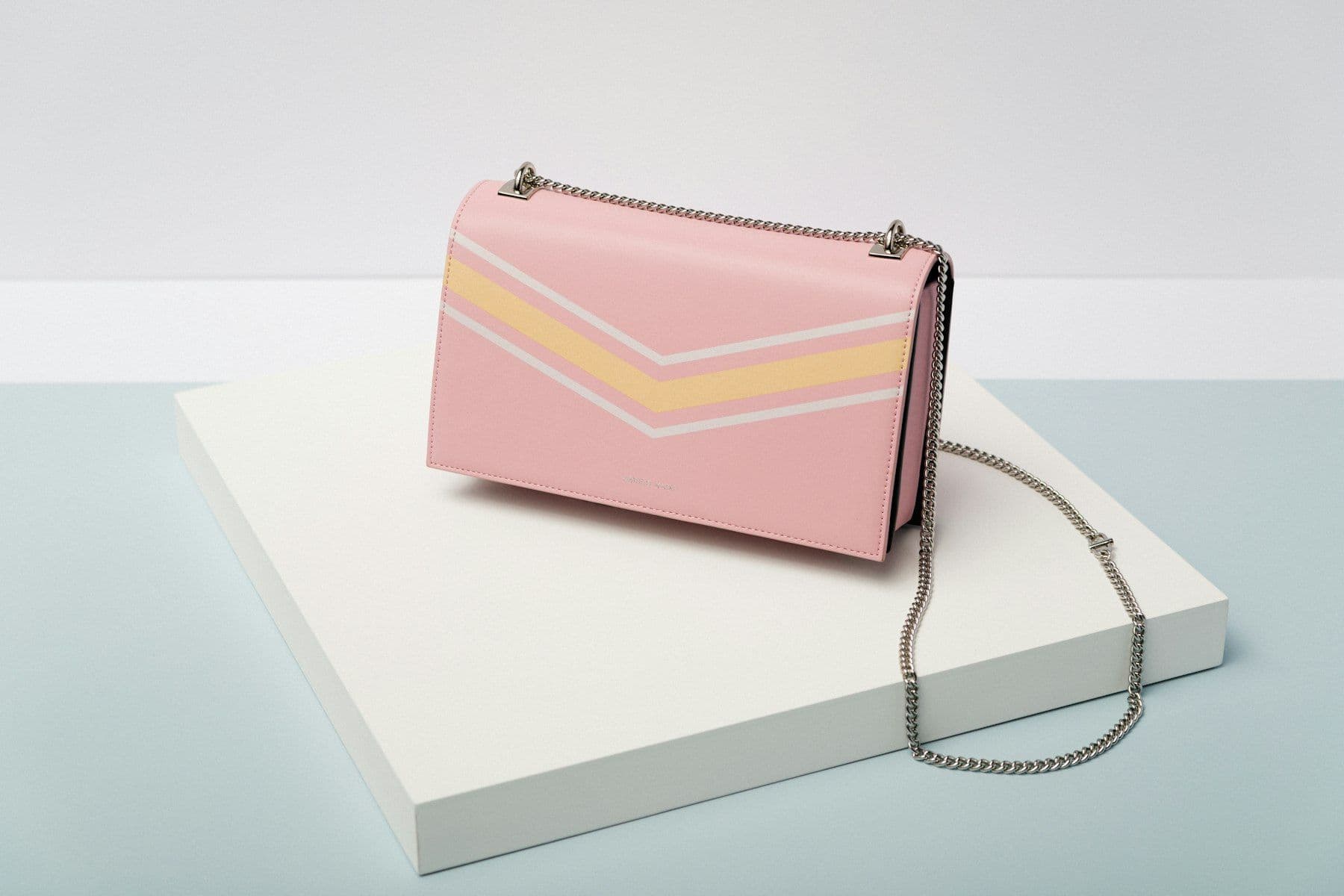
Fabric does the dressing up
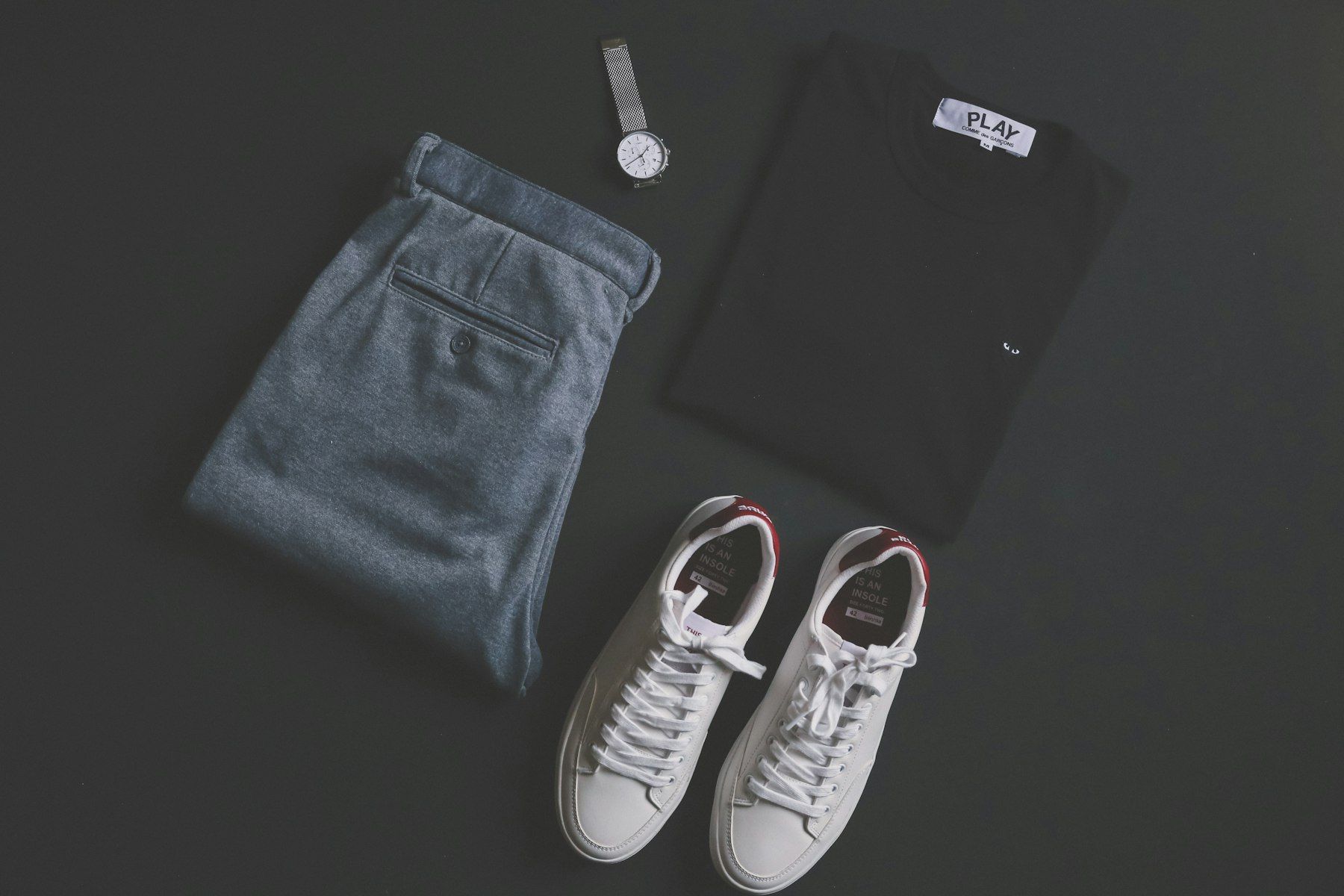
When the shapes relax, fabric takes on the work of signalling care. A wool trouser in a heavy, dry hand reads differently from the same cut in polyester. A cotton sweatshirt with real weight — the kind that stands up on its own — looks deliberate in a way a thin one never will. Editors and stylists we spoke to this season kept returning to the same point: if you are going to dress down the shape, dress up the material.
What this means for your wardrobe
None of this requires a new wardrobe. It asks you to look at the one you have differently. Try the tailored trouser with the sneaker you usually save for weekends. Wear the good coat to the supermarket. Put the silk shirt under the sweatshirt. The new language of everyday dress is not about owning different things; it is about allowing the things you own to talk to each other.
The surprise, perhaps, is how optimistic it feels. For years fashion has swung between maximalism and minimalism, between logomania and anonymity. This moment feels less like a swing and more like a settling: a wardrobe built for real life, with just enough polish to make real life feel a little more like an occasion.