Every few years, fashion rediscovers minimalism and announces it as if for the first time. The nineties had their slip dresses and grey wool. The 2010s had the white sneaker and the “capsule wardrobe”. Now, in 2026, the clean line is back — but it looks noticeably different.
From cold to warm
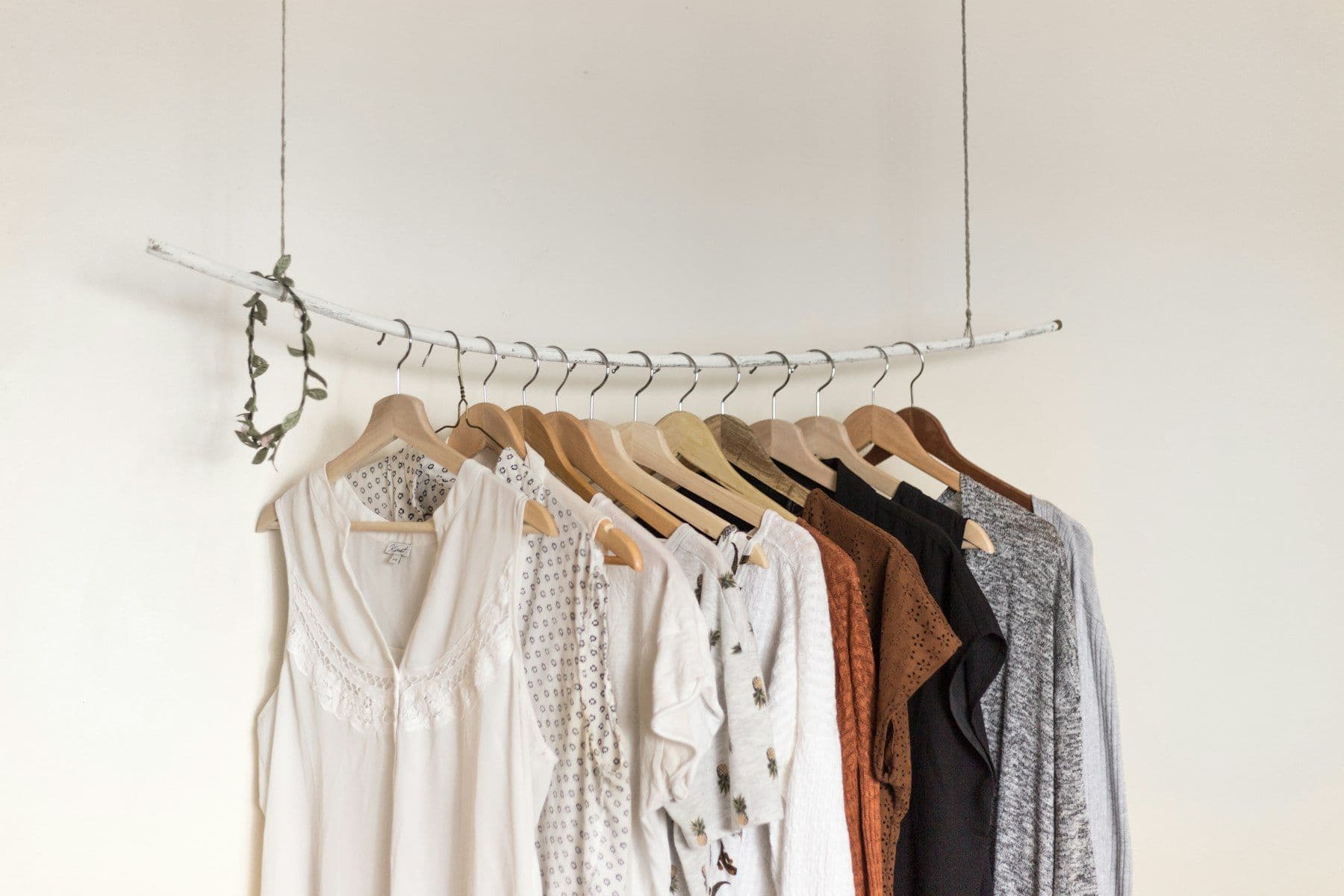
The minimalism of the last cycle was cool in every sense: optic white, black, grey, sharp edges and a certain severity. This version is warmer. The whites are cream and oatmeal. The blacks are softened into charcoal and chocolate. Fabrics are textured — slubby linen, brushed wool, cotton that shows its weave — so that a plain shirt has something to look at up close.
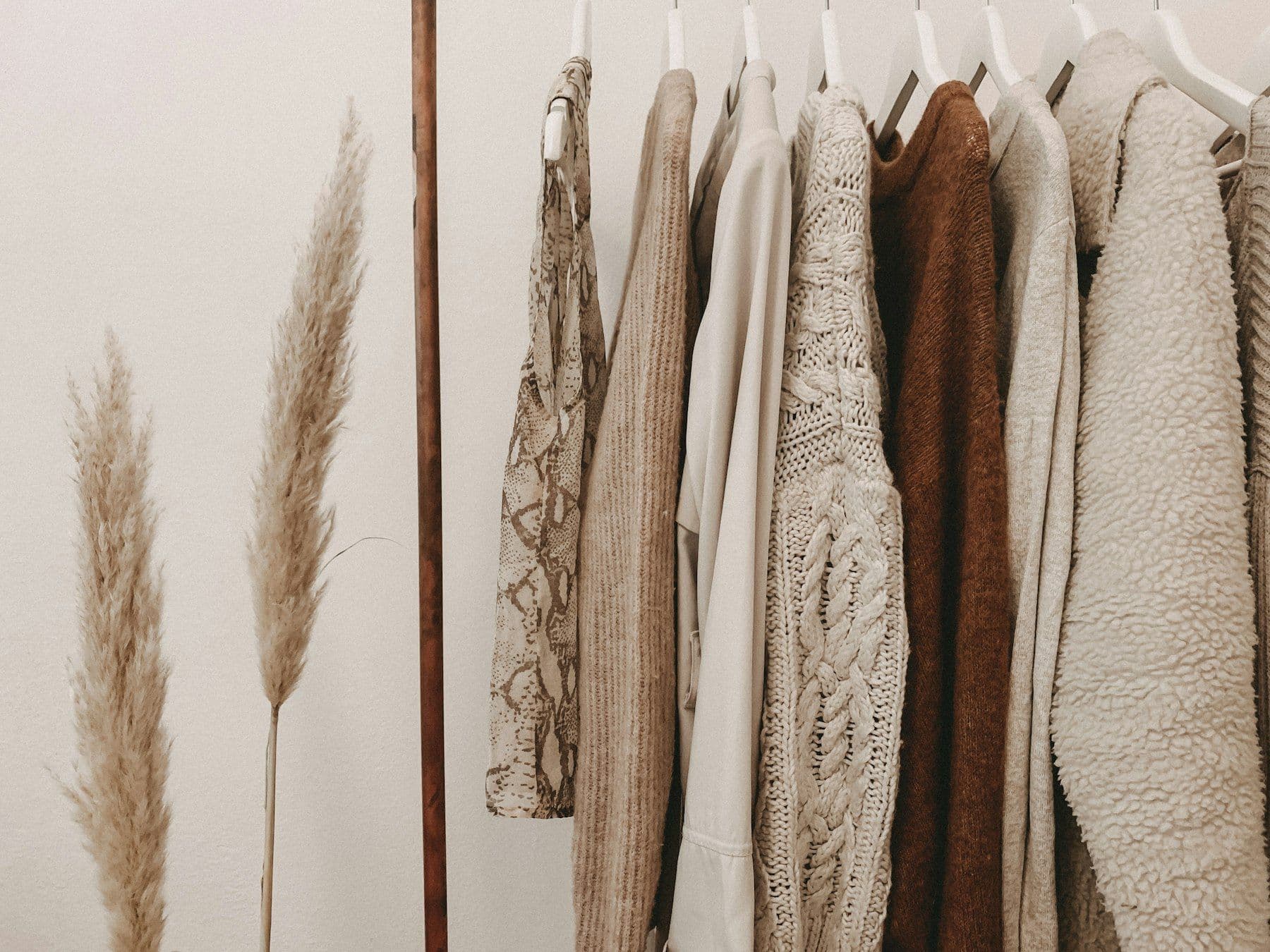
Imperfection as a feature
Where the old minimalism prized perfection — the precise hem, the immaculate white — the new one is comfortable with signs of life. Garments are washed before sale. Edges are left raw. Seams are visible. It is a minimalism that expects to be worn, creased and repaired.
Why now
Part of the shift is economic: shoppers who have grown wary of trend cycles want clothes that will last more than a season. Part is cultural: after years of algorithmic maximalism, there is relief in an outfit that does not need to be photographed to make sense. And part is simply rhythm. Fashion breathes in and out, and this is an exhale.
The practical lesson is simple. Buy fewer things, choose them for texture as much as colour, and allow them to age. The new minimalism is not about owning less for its own sake. It is about owning things that get better with time.