Fashion has always borrowed from art — a painter's palette on a silk scarf, a sculptor's form in a sleeve. What has changed in the last few years is the direction of travel. Increasingly, fashion is not just borrowing from galleries; it is moving into them.
Clothes as objects
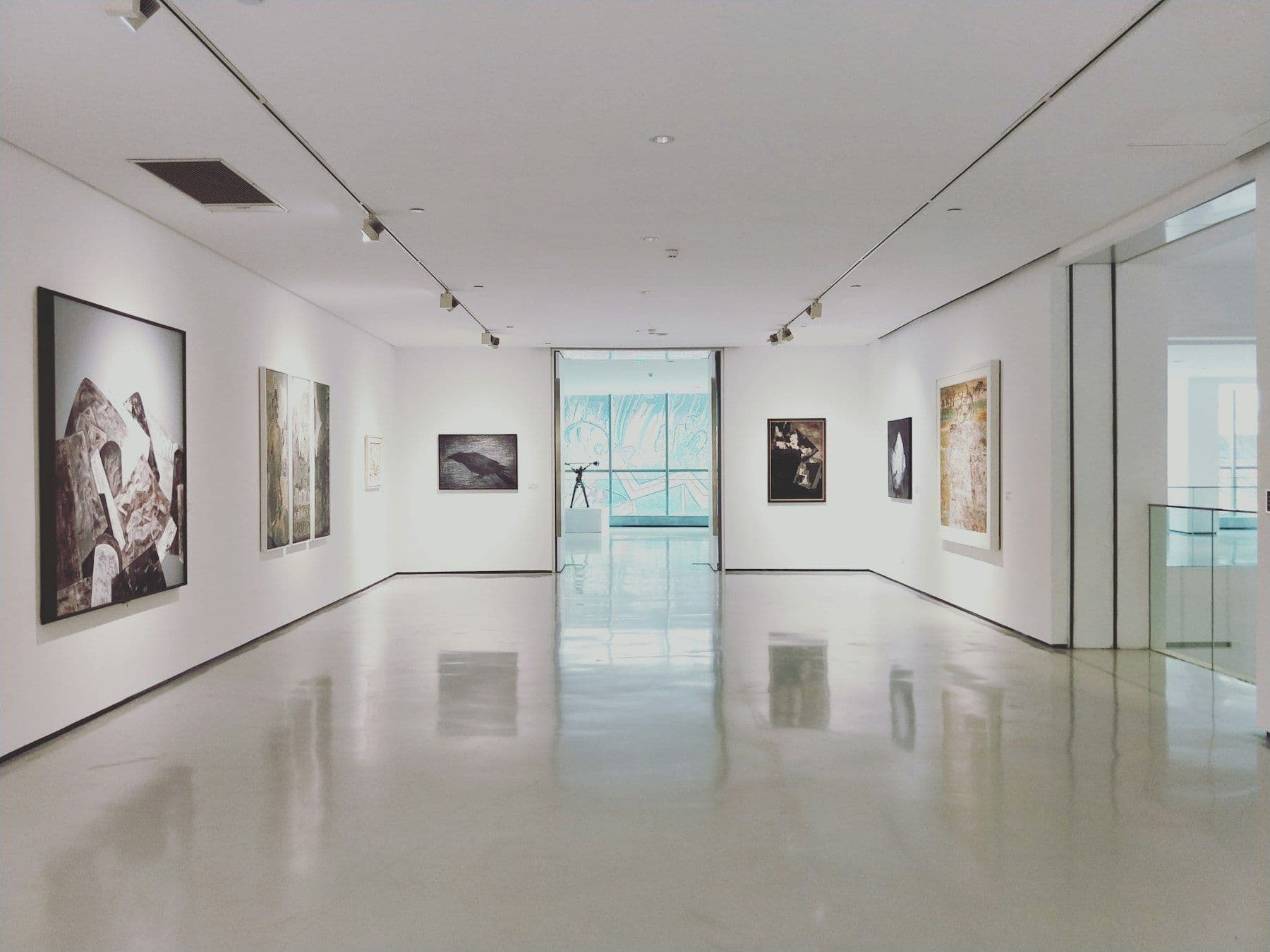
Exhibitions of fashion now regularly draw some of the largest crowds museums see. Part of the appeal is accessibility: almost everyone wears clothes, and almost everyone has an opinion about them. But part of it is the change in how clothes are displayed. Shown on plinths, lit like sculpture, a garment becomes something you look at slowly — the opposite of the scroll.
The runway, slowed down
Some designers have taken the logic further, presenting collections as installations rather than shows. Guests walk through rooms rather than sitting in rows. The clothes stay still; the audience moves. It is a format that rewards attention, and it suits an industry trying to slow its own pace.
A show lasts twelve minutes. A room can hold you for an hour.
What to look for
When you next visit a fashion exhibition, try ignoring the labels for a moment. Look at how a seam is finished, how weight falls, how a fabric takes light. The best exhibitions teach you to see clothes again — including the ones in your own wardrobe.